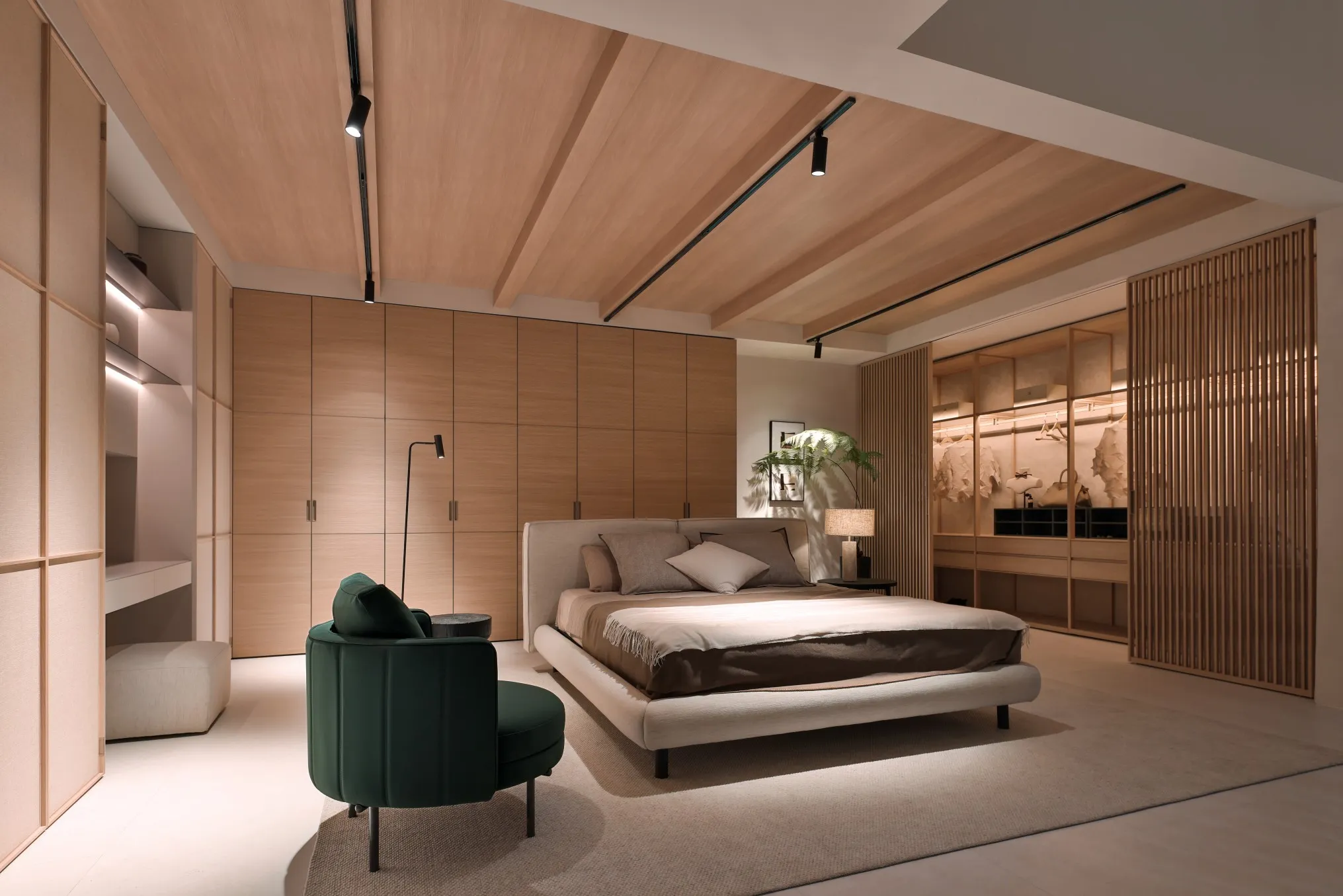
DEB Zen Style Cabinet Introduction
DEB's Zen-style whole-house customization is inspired by Eastern aesthetics and the philosophy of harmonious living. Natural materials, soft tones, and simplified forms create calm, balanced interiors that promote relaxation and emotional well-being. Through thoughtful spatial planning, storage and function are seamlessly integrated to maintain visual purity and openness. From kitchens and wardrobes to tea rooms and living spaces, every cabinet is fully customized to support a quiet, uncluttered lifestyle. With subtle textures and gentle transitions between spaces, DEB delivers Zen-inspired homes that feel peaceful, comfortable, and naturally healing.
What Is a Zen Style Cabinet?
The term "Zen style cabinet" is commonly used in international interior design to describe cabinetry that creates a calm, orderly and nature-connected environment. Typical elements include simplified door forms, natural wood grains, muted colors, uncluttered elevations and carefully controlled negative space.
However, Zen-inspired cabinetry does not have to reproduce traditional Japanese rooms or use obvious cultural symbols. A successful design focuses on the underlying qualities of stillness, balance, restraint and harmony between people, storage and architecture.
DEB interprets this style through contemporary Oriental aesthetics. Cabinets are designed as part of the complete interior rather than as isolated storage products. Door proportions, wall panels, lighting, open niches, hidden storage and room transitions are coordinated to create a visually continuous space.
How DEB Interprets Zen Style Through Oriental Aesthetics
DEB currently expresses Zen-inspired design most clearly through two Oriental spatial concepts: Chengjing and Dongfang Guantang. Both create refined Eastern interiors, but they offer different visual languages and project experiences.
Chengjing — Calm Contemporary Oriental Minimalism
Chengjing, meaning a clear and peaceful realm, represents DEB’s closest interpretation of modern Zen and understated luxury.
The concept was first presented as a themed exhibition space at the 2025 Guangzhou CBD Fair and has since evolved into a spatial template for DEB’s eighth-generation showrooms and customized residential projects.
Its design follows three principles:
A space that can breathe
Minimalism with warmth
Lasting beauty through restrain
Large areas of negative space, soft lighting and pure geometric forms reduce visual distraction. Horizontal lines make rooms feel wider, while selective vertical wood grilles introduce rhythm without making the interior decorative or complicated.
Floating cabinets, handle-free doors, concealed passages and integrated wall-and-cabinet systems help maintain clean visual continuity. The restrained palette usually combines golden-brown wood, soft gray, charcoal and warm white, supported by matte metal and quiet stone surfaces.
Chengjing is especially suitable for luxury residences, open-plan kitchens, tea rooms, wardrobes and modern Oriental projects that require a calm, spacious and internationally appealing interior.
Dongfang Guantang — Layered Oriental Elegance
Dongfang Guantang is a mature Oriental showroom concept introduced as part of DEB’s seventh-generation retail system.
Its design draws inspiration from Chinese garden planning and literati interiors. Instead of revealing the entire room at once, screens, framed views, layered display cabinets and changing sightlines create a gradual spatial experience.
Natural wood serves as the main visual foundation. Vertical lines, staggered cabinet structures, glass shelving and selected open display areas create more depth than the highly restrained Chengjing concept.
The palette can also include richer accents, such as deep lacquered finishes or restrained red details, while maintaining a warm and sophisticated atmosphere.
Dongfang Guantang is suited to residences, tea rooms, studies, reception spaces and Oriental-style clubs where clients want stronger cultural character, layered displays and a sense of ceremony.
Key Features of Modern Zen Style Cabinets
Clean and Balanced Cabinet Lines
Zen cabinetry adopts neat horizontal & vertical lines. Tall doors, aligned panels and streamlined outlines avoid messy visuals. Floating cabinets, flush walls and hidden doors cut bulk and enlarge space visually.
Natural and Tactile Materials
Natural wood grain defines Zen cabinet aesthetics. We match natural wood veneer, soft-touch panels, matte metal, glass and dark stone textures. Instead of stacking diverse materials, coordinated few textures deliver serene, delicate effects.
Restrained Color Palettes
Low-saturation hues build tranquil atmospheres: warm white, beige, soft gray, charcoal and wood tones. We stick to limited main colors; subtle accents are applied moderately for gentle depth.
Concealed and Integrated Storage
Practical hidden storage suits minimalist Zen spaces. Handle-less doors, hidden compartments, built-in appliances and full-height cabinet walls store goods neatly without visual chaos. Storage layout follows room functions instead of covering all walls blindly.
Meaningful Negative Space
Blank space is vital in Zen design. Bare walls, recessed niches and floating cabinets leave breathing room for furnishings, preventing bulky cabinet layouts especially in open houses.
Whole-House Visual Continuity
Zen cabinet designs apply to the entire house. Unified wardrobes, entry cabinets, living storage, wall panels and tea & bedroom systems share identical materials and proportions, linking separate spaces while retaining unique traits.